

— What is GPP? —
A distinct disease requiring a specific treatment approach
GPP, also known as generalized pustular psoriasis, is a chronic, rare, lifelong disease that occurs when a part of your immune system is out of balance.
— What are the symptoms of GPP? —
GPP symptoms can be unpredictable and include:





— What can GPP flares look like? —
GPP “flares” describe sudden symptoms that can intensify quickly and may become life-threatening. For many people, experiencing their first flare is how they learn they have GPP. Symptoms also continue between flares, though they may be less severe.
Symptoms on the skin can impact even a very small area and have a range of appearances:

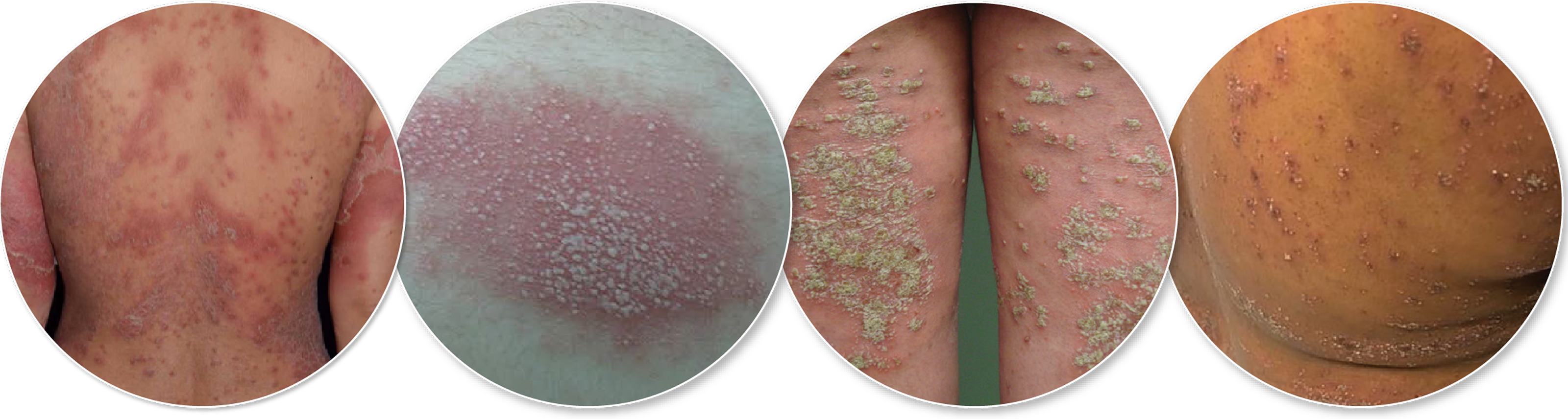
First image: SPEVIGO clinical trial. Second image: original image from Choon SE, et al, in American Journal of Clinical Dermatology; 2022. Last 2 images: original images from Choon SE, et al, in Experimental Dermatology; 2023.
It’s important to talk to your doctor about any symptoms you experience, no matter how severe.
If you think you may have GPP, this symptom tracker can help you document your experience so you can share with your doctor.
— How long do GPP symptoms last? —
GPP can have a lasting impact
People living with GPP continue to battle symptoms that are a daily burden
Chronic symptoms*
83%
of dermatologists say symptoms continue after a flare
Pain†
47%
of people experienced moderate pain at least once between flares
*From an online survey of 29 dermatologists who have treated GPP; the most common symptoms were skin flaking, skin lesions, and redness.
†Based on assessments taken every 4 weeks over a 48-week period, from an analysis of 15 people with GPP who did not receive treatment.
Goals of GPP treatment include helping control the ongoing inflammation and reducing the risk of a future flare

— What causes GPP? —
GPP is caused by a part of the immune system called the IL-36 pathway
The IL-36 pathway helps protect the body from injury and infection. When this system is out of balance, it causes inflammation throughout the body. This inflammation may lead to GPP symptoms, both on and beneath the skin.
GPP is not the same as plaque psoriasis
While both diseases share some symptoms (like large areas of red, itchy, very dry, scaly, or cracked skin), they are different diseases caused by different pathways in the body.
GPP is a
rare
form of psoraisis
Plaque psoriasis is the
most common
form of psoraisis
GPP is more common in
women
than men
Plaque psoriasis impacts
men & women
equally
GPP is primarily
driven by the
IL-36
pathway
Plaque psoriasis
is primarily driven by the
IL-23 and
IL-17
pathways
Hallmark symptoms of GPP include pustules and symptoms of inflammation throughout the body, like fever and joint pain
Hallmark symptoms of plaque psoriasis include patches of raised, inflamed, red skin covered with silvery-white scales
GPP flares can be
life-threatening
and require hospitalization
Plaque psoriasis
rarely requires
hospitalization
Many people may live with both diseases. It’s important to get an accurate diagnosis so your doctor can recommend the best treatment plan for your GPP.
GPP and plaque psoriasis have different causes
Hear Dr Chovatiya explain the different systems involved in the 2 diseases.

Dr Chovatiya has been compensated for his participation.
SPEVIGO is the first FDA-approved treatment to help target a primary cause of GPP

Take control of your GPP
This guide can help you prepare for a conversation with your doctor, including common questions to consider.